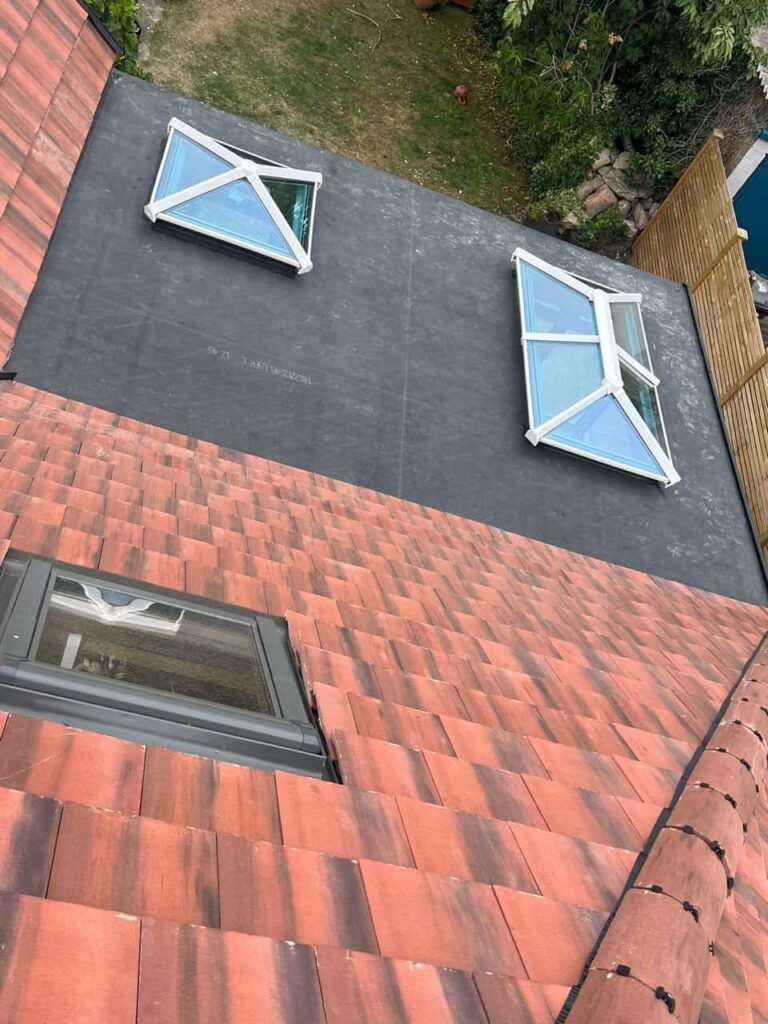
A roof is continually exposed to rain, wind, temperature changes and airborne debris. Although roofing materials are designed to withstand these conditions, gradual wear can eventually reduce their ability to protect the property.
Deterioration rarely results from one factor alone. Ageing materials, minor defects and ineffective drainage often combine, allowing a manageable issue to develop into a more extensive problem. Recognising the common causes can help property owners arrange timely professional attention.
Why Roofs Deteriorate Over Time
Every roof ages differently according to its construction, materials, exposure and maintenance history. Regular assessment is valuable because deterioration may begin beneath the surface before obvious signs appear inside the property.
Natural Ageing of Roofing Materials
Tiles, slates, felt, mortar and metalwork all change as they age. Repeated exposure to sunlight, moisture and temperature variation can gradually make materials brittle, porous or less secure.
Older tiles may crack or lose their surface finish, while felt can become stiff and vulnerable to splitting. Leadwork may also fatigue where repeated expansion and contraction place stress on joints and fixings.
Age alone does not mean that a roof requires replacement. Its overall condition and the distribution of defects are more important than the installation date by itself.
Prolonged Exposure to Rain
Roof coverings are designed to direct water into the guttering system, but even a small weakness can allow moisture to enter. Cracked tiles, open joints and deteriorated flashing are common entry points.
Once beneath the covering, water may travel along underlay, timbers or other components before becoming visible indoors. This means that the internal damp patch may not sit directly below the original defect.
Persistent moisture can weaken battens, underlay and timber components if the source is not identified.
Wind and Repeated Movement
Strong winds do not always remove roof tiles completely. Repeated gusts can gradually loosen fixings, lift edges or move tiles slightly out of position.
Mortar around ridges, verges and other exposed sections may also crack as the roof experiences repeated movement. A displaced component can create a route for wind-driven rain even when the roof appears largely intact from ground level.
Following severe weather, a professional inspection can identify movement that may not be immediately obvious.
Temperature Changes
Roofing materials naturally expand when they become warm and contract as temperatures fall. This movement is usually accommodated by correct installation, but ageing or poorly detailed components may struggle with the repeated stress.
Over time, temperature changes can contribute to:
- Cracks in felt and mortar
- Fatigue in lead flashing
- Separation around joints
- Movement at roof penetrations
- Weaknesses along existing repairs
Flat roofs can be particularly vulnerable where the covering has become brittle or where movement is concentrated around edges and upstands.
Damaged or Poorly Fitted Flashing
Lead flashing protects vulnerable junctions around chimneys, adjoining walls, valleys and roof penetrations. If it becomes cracked, lifted or detached, water can enter behind the surrounding materials.
Temporary surface sealing may conceal the opening without restoring the flashing correctly. Because the affected area continues to move, the seal can separate and allow the leak to return.
A dependable repair should address the condition, positioning and detailing of the flashing rather than only covering the visible gap.
Blocked or Ineffective Drainage
Gutters, outlets and valleys must carry rainwater away efficiently. When they become blocked by leaves, moss or debris, water may overflow or collect against vulnerable roof edges.
Standing water on a flat roof can place prolonged pressure on joints and weak areas. On pitched roofs, blocked valleys may cause water to spread beneath adjacent tiles.
Drainage defects can therefore cause deterioration away from the original blockage, making the source of the problem less obvious.
Moss and Organic Growth
Moss often develops in damp or shaded areas. While a small amount may seem harmless, heavy growth can retain moisture and obstruct the normal movement of rainwater.
Moss can also gather beneath tile edges or fall into gutters and outlets. Unsuitable removal methods may damage roof coverings, so the condition of the underlying materials should be considered before cleaning begins.
Organic growth can indicate that part of the roof is remaining damp for longer than expected, which may justify further assessment.
Failing Mortar
Mortar is commonly found along ridge tiles, verges and around certain roof details. Continuous weather exposure can cause it to crack, loosen or fall away.
Failed mortar may leave components less secure and create openings for water. Replacing only the visibly missing section may not be sufficient if nearby mortar has also lost its strength.
A professional assessment should determine whether deterioration is isolated or extends along a wider section of the roof.
Poor Previous Repairs
A repair can fail when it treats the visible symptom rather than the underlying cause. For example, sealing a gap may not resolve movement, defective flashing or water travelling from a higher part of the roof.
Incompatible materials, inadequate preparation and poorly secured replacements can also create new weak points. Repeated leaks in the same area often suggest that the complete water-entry route has not yet been identified.
Inadequate Ventilation
Moisture within a roof space does not always enter from outside. Warm, moisture-laden air from the property can condense on colder roof components when ventilation is insufficient.
Persistent condensation may dampen timbers, underlay and insulation, producing symptoms similar to a roof leak. Correct diagnosis is therefore essential before repair work begins.
A roofer should consider both external defects and internal moisture conditions when investigating unexplained dampness.
Delayed Maintenance
Minor defects often become more serious when left unattended. One slipped tile can expose the underlay, while a small flashing crack can allow water to spread into surrounding materials.
Useful warning signs include:
- Tiles or slates that appear displaced
- Damp marks on ceilings or walls
- Loose mortar around roof details
- Sagging or uneven roof sections
- Debris appearing in gutters
- Water collecting on flat roofing
- Recurring problems after rainfall
Prompt assessment can establish whether localised repairs are still suitable and help prevent avoidable deterioration.
Conclusion
Roof deterioration commonly results from ageing materials, prolonged moisture, wind exposure, temperature movement, defective flashing, poor drainage and delayed maintenance. Because several faults can produce similar symptoms, accurately identifying the underlying cause is essential before repairs begin.
Knightsbridge Roofing Repairs can inspect deteriorating roofs in Knightsbridge, Central London, trace the source of defects and recommend an appropriate repair. If you have noticed changes in your roof’s condition, contact the team to arrange a professional assessment.
Call us on: 0207 123 8598
Click here to find out more about Knightsbridge Roofing Repairs
Click here to complete our contact form and see how we can help with your roofing needs.