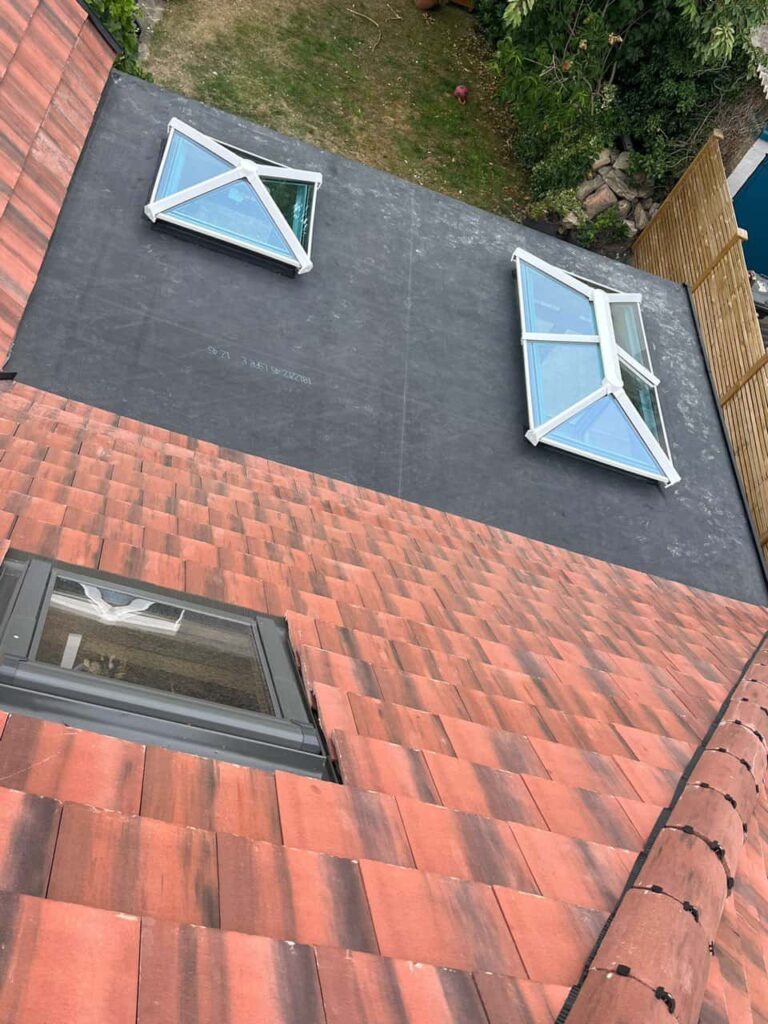
Lead flashing protects some of the most vulnerable parts of a roof. It is commonly installed around chimneys, adjoining walls, valleys and other junctions where roofing materials meet. By directing rainwater away from these areas, correctly fitted flashing helps prevent moisture from entering the property.
Although lead is durable, it can still split, lift or become detached as the roof ages. Recognising the early signs of failure allows property owners in Knightsbridge, Central London, to arrange professional attention before water affects the surrounding roof structure.
How to Recognise When Lead Flashing Needs Professional Attention
Lead expands and contracts as temperatures change. Correct installation allows for this natural movement, but poor detailing, weakened fixings or deterioration in adjoining materials can eventually compromise the flashing.
The problem is not always obvious from ground level, so changes inside the property can be just as important as visible external defects.
The Flashing Has Lifted Away From the Surface
Lead flashing should sit securely against the roof covering or adjoining structure. If an edge has lifted, wind-driven rain may pass underneath it and reach areas that should remain protected.
Lifting can be caused by failed fixings, strong winds or incorrect installation. A roofing contractor can determine whether the lead can be carefully secured or whether part of the flashing requires replacement.
Cracks or Splits Have Appeared
Repeated thermal movement can place stress on leadwork, particularly where sections are too long or do not have enough room to expand. This may result in cracks, splits or small holes.
Even a narrow opening can admit water during prolonged or wind-driven rain. Applying a temporary surface sealant does not address the reason the lead has failed and may make a lasting repair more difficult.
The Flashing Has Slipped Out of Position
Leadwork may gradually move if its fixings have loosened or the material has not been correctly secured. Slipped flashing can leave gaps at roof junctions and reduce the overlap needed to shed water effectively.
This type of defect often requires more than repositioning the visible section. The surrounding fixings, joints and roof coverings should also be inspected to establish why movement occurred.
Mortar Joints Around the Lead Are Deteriorating
Where lead flashing is dressed into masonry joints, the surrounding material helps keep it secure and weather-resistant. Cracked, loose or missing mortar can allow the edge of the flashing to move away from the wall.
A roofing contractor can inspect both the lead and the joint into which it is fitted. Repairing only the visible gap may not be sufficient if the flashing has already become distorted or detached.
Damp Is Appearing Near a Chimney or Roof Junction
Water marks on ceilings, walls or chimney breasts may indicate a defect in the lead flashing. However, the position of an internal damp patch does not always identify the exact entry point because water can travel along roof materials before becoming visible.
Professional inspection is therefore important. The roofer should assess the flashing alongside tiles, underlay, pointing and other nearby components rather than assuming the lead is the only possible cause.
Previous Repairs Keep Failing
Repeated applications of sealant, tape or coating may provide temporary protection but often fail if the lead continues to move beneath them. They can also conceal splits and make it difficult to assess the true condition of the flashing.
If the same area requires frequent attention, a roofing contractor should identify the underlying fault. The lead may need to be refitted, renewed in correctly sized sections or integrated more effectively with the surrounding roof.
The Lead Looks Distorted or Heavily Creased
Lead should be shaped carefully so that it follows the roof detail while retaining the ability to move naturally. Severe buckling, deep creases or uneven sections can interrupt water flow and create areas where moisture collects.
Distortion may result from poor installation, accidental damage or prolonged movement. A professional roofer can determine whether the section remains serviceable or should be replaced.
Is Discolouration Always a Problem?
Not necessarily. Lead naturally develops a dull grey surface layer as it is exposed to the weather. This patina is normal and does not, by itself, indicate failure.
More concerning signs include streaks beneath a junction, water staining on nearby materials, visible cracking or areas where the flashing is no longer seated correctly. The condition and position of the lead matter more than colour alone.
What Routine Maintenance Is Useful?
Lead flashing does not usually require frequent intervention when it has been installed correctly. Sensible maintenance includes visually checking accessible areas for movement, splits and deterioration after severe weather.
Gutters and nearby drainage routes should also be kept clear so rainwater can leave the roof efficiently. Debris should not be allowed to build up around valleys, chimneys or junctions because retained moisture can make existing defects harder to identify.
Avoid walking on the roof or attempting to reshape lead from an unsafe position. Unnecessary pressure can damage tiles, distort the flashing and create additional routes for water.
When Should You Arrange an Inspection?
A professional inspection is advisable when you notice:
- Lifted, slipped or missing sections of flashing
- Cracks, holes or visible splits
- Loose material around masonry joints
- Recurring damp near a chimney or adjoining wall
- Staining beneath a roof junction
- Temporary repairs beginning to fail
- Damage following strong winds
- Distorted lead or disrupted overlaps
Prompt assessment is especially useful when the source of a leak is uncertain. Several roof defects can produce similar symptoms, and an accurate diagnosis helps ensure that the correct area is repaired.
Why Professional Lead Flashing Repairs Matter
Effective leadwork requires the correct overlaps, fixings and allowance for thermal movement. The repair must also integrate with the tiles, masonry and other materials around it.
A professional roofing contractor can inspect the complete junction, remove failed materials where necessary and install the lead so water is directed safely away. This provides a more dependable solution than treating only the visible symptom.
Conclusion
Lead flashing should be inspected when it lifts, splits, slips or allows damp to appear around a roof junction. Deteriorated mortar, recurring temporary repairs and visible distortion are also signs that professional attention may be needed.
Knightsbridge Roofing Repairs provides lead flashing inspections and repairs for properties in Knightsbridge, Central London. If you have noticed signs of damaged leadwork or unexplained moisture near a roof junction, contact our team to arrange an assessment.
Call us on: 0207 123 8598
Click here to find out more about Knightsbridge Roofing Repairs
Click here to complete our contact form and see how we can help with your roofing needs.