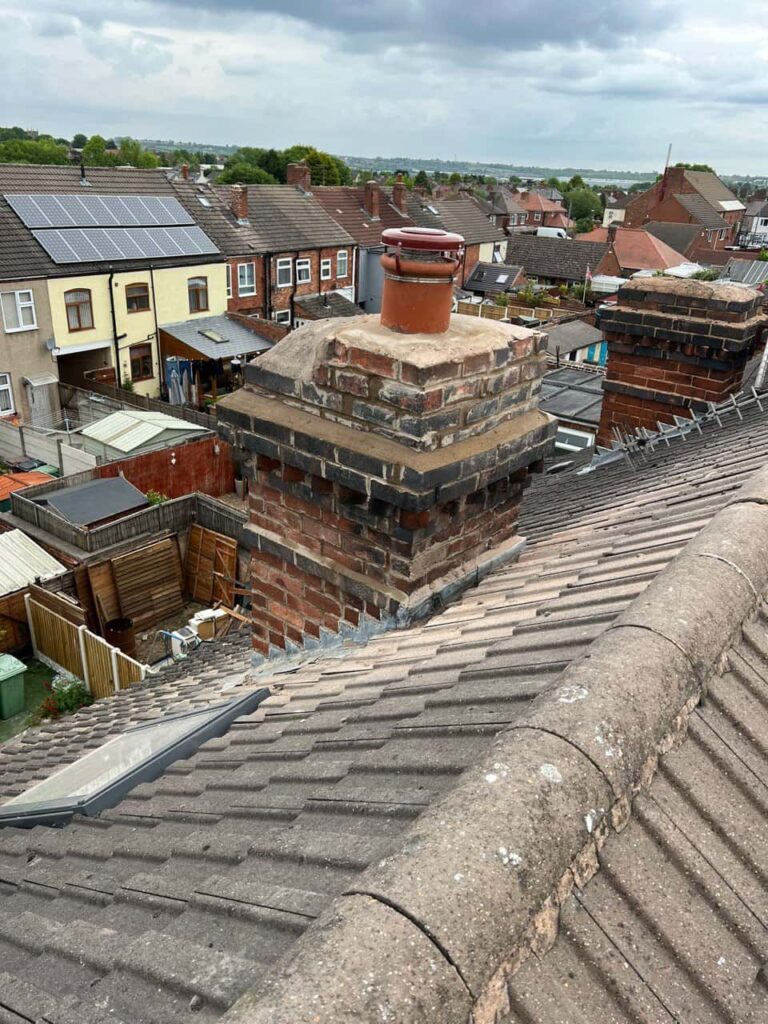
A slipped roof tile may appear to be a minor issue when no water is entering the property. However, the absence of a visible leak does not mean the roof remains fully protected. The tile may have exposed the underlay, created a gap in the covering or placed neighbouring tiles under additional strain.
For property owners in Knightsbridge, Central London, the sensible approach is to arrange a professional inspection promptly. Early attention can establish why the tile moved and whether the surrounding roof requires repair.
Why a Slipped Roof Tile Should Not Be Ignored
Roof tiles form an overlapping covering designed to direct rainwater safely down the roof. When one tile slips out of position, this protective arrangement is interrupted.
The underlay beneath the tiles may temporarily prevent water from reaching the interior, but it is not intended to act as the roof’s primary weatherproof layer indefinitely.
Why There May Be No Visible Leak Yet
Water does not always enter a property immediately after a tile slips. Several factors may delay the appearance of dampness, including:
- The underlay remaining intact
- The exposed area being relatively small
- Rainfall not yet reaching the gap directly
- Water draining onto a lower tile
- The defect being positioned away from vulnerable junctions
- Internal insulation or finishes concealing early moisture
A dry ceiling therefore does not confirm that the roof is unaffected. Moisture may be entering the roof build-up without producing an obvious internal mark.
The Underlay May Be Exposed
Roofing underlay provides secondary protection beneath the tiles. Once exposed, it can face direct sunlight, wind and rain, which may accelerate deterioration.
Older underlay may already be brittle or weakened. A small opening in the tile covering can then reveal tears, gaps or damaged sections that were previously concealed.
If water passes through the underlay, it may reach the battens, insulation, timbers or internal surfaces.
Neighbouring Tiles May Also Become Loose
A slipped tile can sometimes indicate more than one isolated failure. The fixing may have corroded, the supporting batten may have deteriorated or surrounding tiles may have shifted.
Once one tile moves, adjoining units can lose support or become more exposed to wind. This can allow a small defect to spread across a larger section of the roof.
A professional inspection should therefore examine the nearby tiles and fixings rather than simply pushing the visible tile back into position.
The Tile Could Fall From the Roof
A tile that has slipped but remains on the roof may continue moving. Wind, vibration and rainfall can cause it to slide further or fall completely.
This deserves particular attention where the affected roof slope is above an entrance, pavement, courtyard or frequently used outdoor area. The area beneath the loose tile should be avoided until its condition has been assessed.
Property owners should not attempt to climb onto the roof or work from an unsecured ladder.
Weather Conditions Affect the Urgency
A slipped tile should always be assessed promptly, but some circumstances make the situation more urgent. These include:
- Heavy rain or strong winds being expected
- The tile visibly moving or hanging near the roof edge
- More than one tile being displaced
- Torn or exposed underlay
- The defect being close to a valley, chimney or roof junction
- Pieces of tile already falling to the ground
- Damp patches appearing inside the property
Rapid attention is especially important when the roof’s secondary protection is already compromised.
The Cause of the Movement Should Be Identified
Replacing or repositioning the tile is only effective if the reason it slipped is understood. Common causes can include failed fixings, weakened battens, storm movement, accidental damage or deterioration around the tile.
If the underlying problem remains, the same tile or neighbouring tiles may move again. A proper repair should restore the covering and correct any defective support or fixing.
What a Professional Inspection Should Check
A roofer should assess the affected area and the surrounding roof covering. This may involve checking:
- Whether the tile is cracked or reusable
- The condition of its fixing
- The stability of adjoining tiles
- The roof battens beneath the covering
- The condition of the underlay
- Signs of water entry
- Nearby flashings, valleys and junctions
- Evidence of wider tile movement
This establishes whether the problem is isolated or part of a developing roof defect.
Can a Single Slipped Tile Usually Be Repaired?
When the surrounding tiles, battens and underlay remain sound, a slipped tile can often be resolved through a localised repair. The tile may be secured correctly or replaced if it is damaged.
More extensive work may be necessary if the inspection reveals weakened battens, deteriorated underlay or movement across a wider area. The required response should be based on the roof’s actual condition rather than the number of visible defects alone.
Do Not Wait for Water to Enter
Waiting for a leak can allow a straightforward problem to affect concealed roofing components. Moisture may travel beneath the covering and appear indoors some distance from the original gap.
Prompt inspection provides an opportunity to repair the exposed section while the damage is still confined. It also helps prevent further tile movement during poor weather.
Conclusion
A slipped roof tile should be treated promptly even when the roof is not yet leaking. The underlay may be providing temporary protection, but the gap can expose the roof to water, wind and further movement. A loose tile may also affect neighbouring materials or eventually fall.
Knightsbridge Roofing Repairs provides professional inspections and slipped tile repairs throughout Knightsbridge, Central London. If you have noticed a displaced tile, contact us to arrange an assessment and determine the appropriate repair before the problem develops further.
Call us on: 0207 123 8598
Click here to find out more about Knightsbridge Roofing Repairs
Click here to complete our contact form and see how we can help with your roofing needs.